Aviation Switching Module – NSN 4920-01-250-2696 (AS-IS / Untested): Aerospace Switching Unit for Professional Inspection
Aviation Switching Module – NSN 4920-01-250-2696 (AS-IS / Untested): Aerospace Switching Unit for Professional Inspection
Blog Article
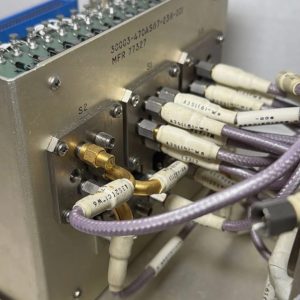
The Aviation Switching Module – NSN 4920-01-250-2696 (AS-IS / Untested) is a specialized aerospace electrical component offered for professional evaluation, restoration, testing, parts recovery, collection, or another suitable non-assumed application.
The Aircraft Switching Module can form part of a specialized aviation system, while the Aerospace Switching Module requires identification through labels, technical documentation, connector configuration, and application records.
An Aircraft Electrical Switching Module can have commercial value for technicians, while an Aviation Electrical Control Module or Aerospace Electrical Control Unit requires qualified bench evaluation before operational consideration.
The Aviation Control Module may be associated with a larger Aircraft Electronic Switching System, while the Aerospace Switching Unit and Aircraft Electrical Module should be inspected before connection or installation.
Key Details of the Untested Switching Module
A matching NSN can improve identification, but it does not establish present condition, functional status, completeness, or suitability for a particular aircraft or test system.
Unknown markings should be photographed and recorded rather than interpreted without support.
Untested Switching Module Condition
Transparent AS-IS terms help specialists evaluate price and risk realistically.
Professional evaluation protects the module, technician, test equipment, and any associated aerospace system.
Aircraft Circuit Selection Equipment
The product page should avoid assigning a cockpit, power-distribution, test-set, or mission-system function without evidence.
Switch movement can be checked gently for obvious binding or damage, but mechanical movement does not establish electrical operation.
Rugged Aviation Module Design
Careful exterior evaluation can reveal evidence of previous use or damage before the unit is opened.
Connectors should be examined for bent pins, pushed-back contacts, corrosion, contamination, cracked inserts, damaged threads, broken keyways, missing caps, and impact marks.
Evaluating Aircraft Electrical Components
An Aircraft Electrical Switching Module should be inspected for overheated areas, burned insulation, damaged terminals, loose hardware, corrosion, moisture entry, broken controls, and signs of previous disassembly.
Loose wires, nonstandard components, replaced relays, cut conductors, or evidence of field repair should be recorded.
Maintaining Electrical Control Equipment
Professional research should occur before any attempt to connect the Aviation Electrical Control Module.
Control labels and switch legends can provide useful clues, but they should not be used as the only source of technical identification.
Choosing an Aircraft Power Switching Module
Current capacity, voltage, duty cycle, contact type, protection requirements, and load characteristics should be confirmed before testing.
Power-input and output terminals should be checked for looseness, heat discoloration, corrosion, damaged insulation, and unsuitable previous repair.
Electrical Control Unit Restoration
An Aerospace Electrical Control Unit may combine switching, control, indication, interface, or distribution functions within one enclosed assembly.
A common-looking relay, switch, resistor, connector, or wire may not be an acceptable substitute.
Maintaining Aircraft Interface Hardware
The pinout and signal type should be confirmed before continuity or injection testing.
The module should not be modified with unshielded wiring or improvised connectors solely for convenience.
Control Module Compatibility Review
Clear intended use helps establish realistic expectations for an AS-IS Aviation Control Module.
Accurate configuration review reduces the risk of an unsuitable Aviation Control Module acquisition.
Aircraft Test and Support Equipment
The unit can provide parts, reference information, display value, training opportunities, or a candidate for professional restoration.
The equipment should remain clearly labeled as untested and unsuitable for operational installation without evaluation.
Aerospace Power Distribution Module Considerations
Internal conductive components can corrode or loosen during storage.
Bent brackets, enlarged holes, missing fasteners, or distorted mounting surfaces may complicate restoration.
Aircraft Electrical Control Unit Inspection
Dust and surface dirt can often be removed carefully, but aggressive cleaning may damage labels, seals, finishes, or electrical parts.
Functional evaluation should proceed in stages, beginning with research and non-powered inspection before controlled electrical testing.
Aviation Electrical Power Management
Responsible product information protects buyers seeking an Aviation Power Control Module.
Power-control components may retain electrical energy or contain circuits requiring special handling depending on internal design.
Electronic Switching Module Applications
System diagrams can help identify required inputs, outputs, grounds, control logic, and companion components.
Professional analysis supports responsible Aircraft Electronic Switching System maintenance.
Protecting an Aerospace Switching Unit
Connector caps should remain fitted, and the module should be supported without placing pressure on switches, knobs, cables, or mounting brackets.
Shipping should use cushioning that supports the enclosure while protecting protruding switches, connectors, controls, labels, and mounting points.
Evaluating Surplus Aerospace Equipment
AS-IS equipment may offer attractive value when the purchaser has the knowledge and resources required for evaluation.
The seller should explain whether the unit has been powered, opened, repaired, modified, tested, or removed from known equipment.
NSN 4920-01-250-2696 Buying Checklist
A detailed review reduces misunderstanding and supports realistic purchasing decisions.
- Resolve identity, configuration, application, and package-completeness questions before payment.
- Do not interpret clean appearance, smooth switch movement, or intact labels as proof of electrical operation.
- Require packaging that protects connectors, switches, labels, enclosure corners, mounting brackets, controls, and loose accessories from movement and impact.
Safe Testing of an Aircraft Switching Unit
Testing should begin with identification research, visual inspection, connector mapping, safety review, and examination of available technical documentation.
Partial operation should not be presented as complete certification, calibration, or airworthiness.
Aircraft Electrical Module Repair Planning
Professional restoration can improve the usability and value of the Aerospace Switching Module.
The final product status should describe only the functions that were evaluated successfully.
Selecting a Surplus Aerospace Switching Unit
The Aviation Switching Module – NSN 4920-01-250-2696 (AS-IS / Untested) can provide restoration, research, parts, training, collection, or professional evaluation value when its identity and condition are click here understood clearly.
The strongest buying decision begins with confirming the NSN, manufacturer, part number, serial number, configuration, connector layout, condition, storage history, modification status, included equipment, and intended use.
Whether buyers need an Aircraft Power Switching Module, Aerospace Electrical Control Unit, Aircraft Signal Switching Module, or Aviation Control Module, electrical specifications should be verified before testing.
With verified identity, careful inspection, protected storage, safe bench procedures, organized documentation, and qualified technical review, the module can provide lasting specialist value.
Report this page